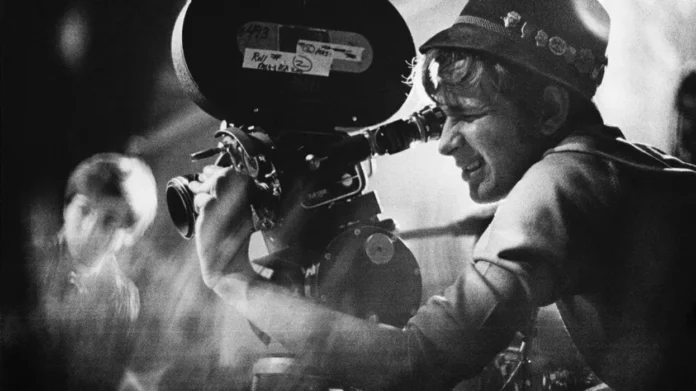

Movies can make extraordinary stories look effortless. Audiences see polished performances, dramatic locations, impressive costumes, and carefully constructed scenes, but the finished film often hides the complicated process behind it. A scene that lasts only a few minutes on screen may require weeks of preparation, repeated takes, difficult weather, unusual production decisions, or creative solutions that viewers never notice.
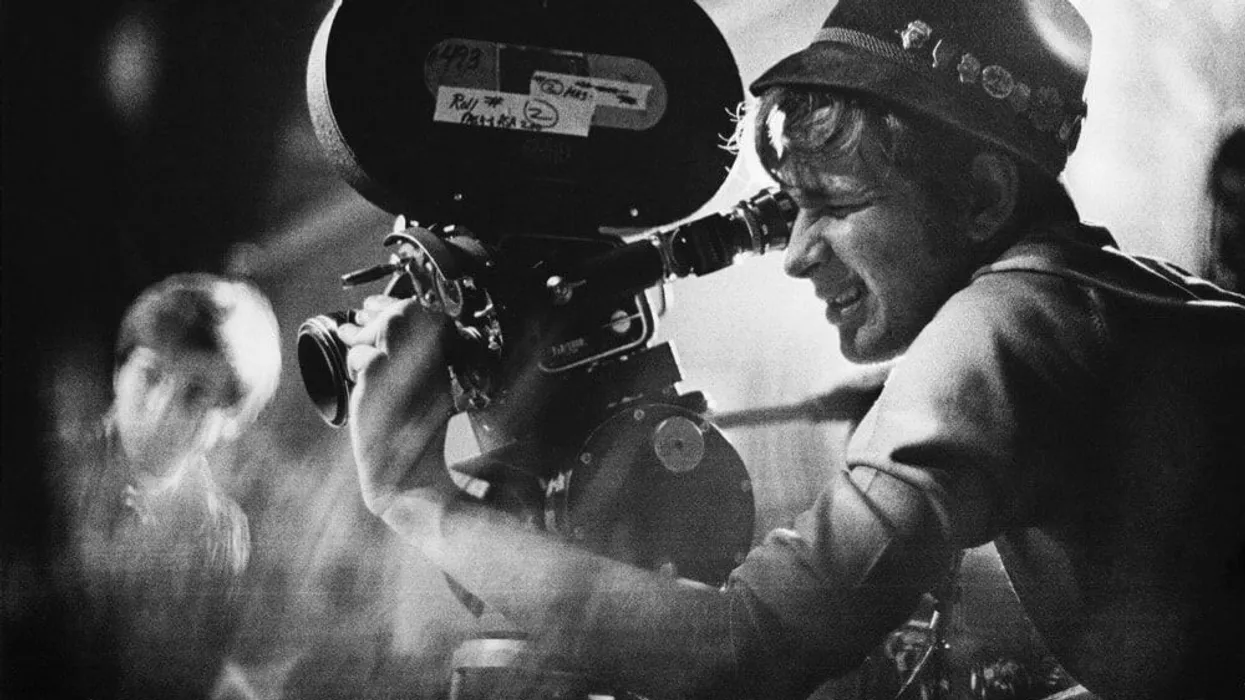
Behind many famous movies are stories that are almost as fascinating as the films themselves. Actors sometimes prepare in unexpected ways, filmmakers find clever solutions to technical problems, and production teams create memorable moments through techniques that are far less glamorous than the final result suggests.
Here are 30 famous movies with surprising behind-the-scenes stories that show how much work can go into creating a memorable film.
1. The Lord of the Rings Required an Enormous Physical Production
Peter Jackson’s The Lord of the Rings trilogy became famous for its huge landscapes, detailed costumes, practical sets, and groundbreaking visual effects.
One of the most impressive aspects of production was the enormous amount of practical detail created for Middle-earth. Sets, miniature environments, weapons, costumes, props, and makeup all helped establish the fictional world.
The production also used different techniques to make characters appear dramatically different in size. Forced perspective, carefully designed sets, camera positioning, and visual effects helped create convincing differences between characters such as Hobbits and larger members of the cast.
The result was a world that felt much more physical than audiences might expect from a fantasy film.
2. Jurassic Park Combined Digital and Practical Effects
Jurassic Park is often remembered as a major milestone in computer-generated imagery, but its dinosaurs were not created entirely with computers.
The production combined digital effects with practical creatures and mechanical effects.
This combination helped create a sense of physical realism. Actors could interact with objects that actually existed on set, while digital effects were used when a scene required movement that practical techniques could not achieve.
The success of this approach helped demonstrate that practical and digital effects could work together rather than compete with each other.
3. The Matrix Changed the Look of Action Cinema
The Matrix became famous for its distinctive visual style, especially its slow-motion action sequences.
The production used a technique involving multiple cameras positioned around an actor. These cameras could capture images from different angles, which were then combined to create the impression that the camera was moving around a frozen or extremely slowed-down moment.
The technique became widely associated with the film and influenced action movies for years afterward.
What appeared to audiences as a futuristic visual effect required extensive planning and precise coordination behind the camera.
4. Titanic Used a Remarkably Large Production
James Cameron’s Titanic was one of the most ambitious productions of its era.
The film required enormous sets, detailed costumes, large-scale water effects, and extensive visual effects.
The production recreated a significant portion of the ship’s interior and exterior for filming. This allowed actors to move through environments that looked convincing on camera.
Many details were carefully researched to make the fictional version of the ship feel connected to the real historical vessel.
The result was a movie where production design played a major role in making the disaster feel believable.
5. Mad Max Fury Road Was Filled With Practical Stunts
Mad Max Fury Road became famous for its spectacular action sequences.
Much of the film’s physical action was created through practical stunts and real vehicles rather than relying entirely on computer-generated imagery.
The production involved highly trained stunt performers working around moving vehicles, enormous desert landscapes, and carefully choreographed sequences.
Visual effects were still important, but the physical foundation of the action helped give the movie its intense and chaotic appearance.
6. The Dark Knight Used Real Locations and Practical Effects
Christopher Nolan’s The Dark Knight became famous for its realistic approach to superhero filmmaking.
The production used real locations whenever practical and incorporated large physical effects into major action sequences.
One memorable example involved the destruction of a large building facade. The scene was carefully engineered and filmed using practical effects before visual effects were used to complete the sequence.
The realistic approach helped give Gotham City a grounded appearance.
7. Inception Required Rotating Sets
Inception contains several scenes in which the environment appears to rotate around the characters.
Instead of creating every movement digitally, the production constructed a rotating hallway set.
The physical set could rotate while actors performed inside it, creating the strange sensation of gravity changing.
This required extensive engineering and choreography. The actors and camera operators had to work within a moving environment while maintaining the illusion that the scene was happening naturally.
8. Avatar Pushed Motion Capture Forward
James Cameron’s Avatar required actors to perform scenes that would later become highly digital environments.
Motion capture technology allowed the performances of actors to influence digital characters.
The production also used specialized cameras and techniques to help Cameron see how performances would appear within the virtual world.
This allowed the director to approach digital environments in a way that felt more like conventional filmmaking.
9. The Shining Used Extremely Detailed Sets
Stanley Kubrick’s The Shining is known for its unsettling atmosphere.
The production design played an important role in creating that feeling. The fictional Overlook Hotel was carefully constructed with detailed interiors, corridors, rooms, and visual patterns.
The environments were designed to feel realistic while also creating subtle visual unease.
The result is a movie where the setting itself seems to become part of the story.
10. The Silence of the Lambs Created an Intense Working Environment
The Silence of the Lambs is remembered for the performances of its central characters.
The production relied heavily on psychological tension rather than constant action.
Careful framing, lighting, editing, and performances helped create the unsettling atmosphere.
The famous conversations between characters are particularly effective because the filmmaking often keeps attention on their faces, making even small expressions feel important.
11. Forrest Gump Combined Fiction With Historical Footage
Forrest Gump became famous for placing its fictional main character into major historical moments.
Digital effects allowed the filmmakers to combine actor Tom Hanks with archival footage and create the impression that Forrest had interacted with real historical figures.
The process required careful visual manipulation.
The final scenes look surprisingly natural, even though the character was never physically present in those historical events.
12. Saving Private Ryan Used a Distinctive Visual Style
Steven Spielberg’s Saving Private Ryan became known for its intense depiction of war.
The production used desaturated colors and other visual techniques to create a harsher appearance.
The opening battle sequence required extensive choreography, stunt work, special effects, sound design, and coordination between performers.
The realistic approach was designed to place viewers directly into the confusion and danger of the battlefield.
13. Avatar The Way of Water Required Extensive Underwater Work
The sequel to Avatar presented an unusual technical challenge because many scenes involved characters underwater.
The production developed specialized performance and filming techniques to capture actors working underwater while still recording the necessary performance information.
This required extensive preparation and training.
The technical work was especially complicated because underwater scenes had to look natural while supporting highly digital environments and characters.
14. The Revenant Used Natural Environments
The Revenant became famous for its harsh natural landscapes.
The production relied heavily on real environments rather than creating every location digitally.
Filming in difficult conditions created additional challenges involving temperature, travel, daylight, and logistics.
The natural surroundings became an important part of the movie’s atmosphere.
The environment was not simply a backdrop. It contributed directly to the feeling of survival and isolation.
15. Harry Potter Built a Huge Wizarding World
The Harry Potter films required years of production design.
Sets, costumes, props, creatures, makeup, and visual effects had to remain consistent across multiple movies.
One of the most interesting aspects of the series is how many physical sets and props were created.
The fictional world feels believable partly because so many details were designed as if the magical locations actually existed.
16. The Grand Budapest Hotel Used Miniatures
The Grand Budapest Hotel is known for its distinctive visual style.
The production used miniatures and carefully constructed physical models alongside larger sets and digital effects.
These techniques helped create exaggerated environments that matched the film’s unusual aesthetic.
The miniature work also allowed the filmmakers to control compositions that would have been difficult or expensive to create at full scale.
17. Interstellar Created Realistic Space Environments
Interstellar combined practical production methods with sophisticated visual effects.
The filmmakers paid close attention to how space, spacecraft interiors, planets, and gravitational effects should appear.
Large practical elements helped actors interact naturally with their environments.
The visual effects team then expanded these physical elements into enormous digital landscapes.
18. The Lord of the Rings Created Detailed Miniature Worlds
The Lord of the Rings production did not rely only on large sets.
Miniatures were also created to represent locations and architecture at different scales.
These models could be filmed using controlled camera movements and lighting to create convincing large environments.
The miniature work became an important part of making Middle-earth feel physically real.
19. Back to the Future Used a Carefully Designed DeLorean
The DeLorean became one of the most recognizable movie cars in cinema history.
Several versions of the vehicle were used for different production purposes.
Some were built for driving scenes, while others were modified for special effects or interior shots.
The design of the car became so closely connected with the story that it eventually became a symbol of the entire franchise.
20. The Terminator Mixed Practical Effects With Early Digital Work
The Terminator relied heavily on practical effects to create its futuristic machinery.
Makeup, puppetry, mechanical effects, miniatures, and visual effects were combined to create the appearance of a robotic character.
The physical effects were particularly important because the technology available at the time was far more limited than what modern filmmakers can access.
The result remains visually memorable decades later.
21. Alien Used Elaborate Creature Design
Alien became famous for its terrifying creature design.
The production relied on elaborate costume and practical effects to make the creature appear physically present.
The design deliberately concealed important details, making the creature difficult to fully understand.
This limited visibility helped create fear because viewers could not always see exactly what was approaching.
22. The Godfather Focused on Small Details
The Godfather is often praised for its performances and storytelling, but its atmosphere also came from careful production details.
Lighting, costumes, locations, furniture, food, and props were selected to establish the world of the characters.
The film’s visual style helped distinguish different locations and social environments.
Small details contributed to the feeling that the audience was watching a complete world rather than a collection of sets.
23. Pirates of the Caribbean Used Extensive Practical Work
The Pirates of the Caribbean films combined physical sets, costumes, makeup, animatronics, stunt work, and digital effects.
Many characters required extensive makeup and costume preparation before actors could begin filming.
The combination of practical and digital techniques helped make the fictional pirate world visually rich.
The production often required performers to work in heavy costumes under demanding conditions.
24. The Dark Knight Rises Used Real Vehicles
The Dark Knight Rises included large-scale action sequences involving vehicles and practical stunts.
The production used real vehicles and physical locations wherever possible.
These techniques gave the action scenes a sense of weight that can be difficult to reproduce entirely through digital effects.
The filmmakers still used visual effects to enhance and complete scenes, but practical elements remained important.
25. Gladiator Recreated Ancient Rome Through Large Sets
Gladiator required filmmakers to recreate the atmosphere of ancient Rome.
Large physical sets, costumes, props, weapons, and visual effects were combined to create the historical setting.
The production design team had to make modern filming locations appear like an ancient civilization.
The result demonstrates how carefully constructed physical environments can dramatically change the appearance of a location.
26. The Social Network Used Multiple Performances of the Same Actor
The Social Network included scenes requiring the same performer to appear as multiple characters.
Visual effects and carefully coordinated performances were used to create convincing interactions.
These scenes demonstrate that visual effects are not always about explosions or fantasy worlds.
Sometimes they are used for subtle storytelling that audiences may never consciously recognize.
27. Gravity Required Innovative Filming Techniques
Gravity presented an unusual challenge because many scenes involved astronauts appearing to float in space.
Traditional filming methods would not easily create the required movement.
The production developed specialized systems involving lighting, camera control, and physical rigs to create convincing zero-gravity performances.
The technical approach allowed the filmmakers to create scenes that looked effortless despite being extremely complicated to produce.
28. Dunkirk Used Real Military Equipment
Dunkirk combined practical filming with digital enhancement to recreate a major historical evacuation.
The production used real boats, aircraft, locations, and physical environments where possible.
This approach gave the movie a strong sense of physical authenticity.
The filmmakers then used visual effects to expand the scale of the scenes and complete elements that could not be safely or practically filmed.
29. The Wolf of Wall Street Was Filled With Improvisation
The Wolf of Wall Street contains many scenes with energetic and unpredictable performances.
Improvisation played an important role in creating the natural rhythm of certain sequences.
Allowing actors to explore dialogue and reactions can produce moments that feel less scripted.
This approach can also create additional material for editors to shape into the final scene.
30. The Little Things Often Make a Movie Memorable
The most surprising behind-the-scenes stories are not always about enormous budgets or complicated technology.
Sometimes they involve simple decisions that make a scene work.
A costume may require hours to prepare. A prop may be redesigned repeatedly. A background location may be chosen because of one particular visual feature. An actor may rehearse a small movement many times.
Audiences usually see only the final few seconds.
That is what makes filmmaking so fascinating. A simple moment on screen can represent the combined work of hundreds of people.
Why Behind-the-Scenes Stories Are So Interesting
Movies create the illusion that everything happens naturally. Characters walk into rooms, vehicles move through streets, creatures appear, buildings collapse, and entire worlds seem to exist exactly as shown.
Behind the camera, however, almost every detail requires planning.
Directors make creative decisions. Actors develop performances. Cinematographers design lighting and camera movements. Production designers build environments. Costume teams create visual identities. Editors shape hours of footage into a coherent story.
Special effects artists, stunt performers, sound designers, makeup teams, visual effects artists, and countless other professionals contribute as well.
The final movie hides much of this work.
The Magic Is Often in the Process
A memorable movie is not created by one person working alone. It is the result of hundreds or even thousands of decisions made before audiences ever see the finished film.
Sometimes the most impressive achievement is not a huge digital effect but a practical solution that looks completely natural.
A rotating hallway, a carefully designed miniature, a physical creature, a real vehicle, or a subtle visual effect can all become part of movie history.
The next time you watch a famous film, remember that every scene has a story behind the story.
What appears effortless on screen may have required months of preparation, complicated technology, creative problem-solving, and countless hours of work.
That hidden effort is one of the reasons cinema remains so fascinating. The audience sees the magic, while the filmmakers spend years figuring out how to make that magic look real.