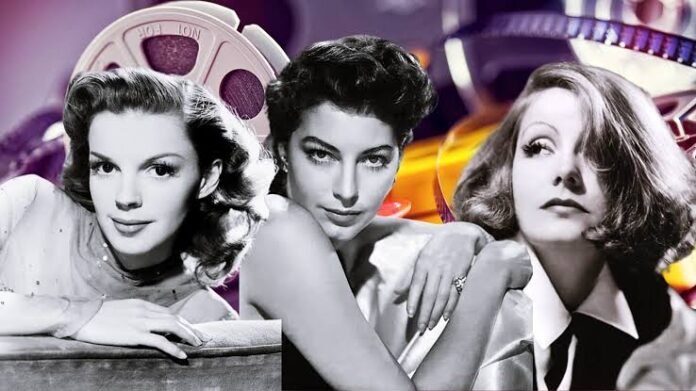

The golden eras of entertainment produced celebrities whose names became closely connected with the culture of their generation. Long before social media, streaming platforms, and instant online fame, performers built enormous audiences through cinema, radio, television, music, and live performances. Their influence often extended far beyond their professional work. They shaped fashion, popular expressions, acting styles, musical trends, and even the way audiences imagined fame itself.
What made these personalities remarkable was not simply their popularity. Many developed distinctive identities that audiences could recognize almost immediately. Their performances created emotional connections with millions of people, while their careers continued to influence entertainers who came after them. Some became famous through Hollywood cinema, others through music, television, or international film industries. Together, they represent an era when becoming a household name usually required years of visible work and a lasting connection with the public.
Charlie Chaplin and the Language of Silent Comedy
Charlie Chaplin became one of the defining figures of early cinema through a character that audiences around the world could recognize without needing spoken dialogue. His Little Tramp combined humor, vulnerability, cleverness, and physical comedy. Chaplin demonstrated that a performer could communicate complicated emotions through movement, facial expressions, timing, and visual storytelling. His influence reached far beyond the silent film era because many later comedians and filmmakers studied the techniques he helped popularize.
Chaplin also showed that entertainment could contain social observations without losing its accessibility. Beneath the comedy, several of his films explored poverty, inequality, loneliness, industrialization, and the difficulties faced by ordinary people. This combination of humor and human emotion helped transform him from a successful comedian into an enduring cinematic figure. His work remains an important part of film history because it illustrates how expressive performance could cross language barriers.
Marilyn Monroe and the Transformation of Screen Stardom
Marilyn Monroe became one of the most recognizable stars of twentieth-century American cinema. Her image was strongly associated with Hollywood glamour, but her career also revealed the pressures and expectations placed upon female performers during the studio era. She developed a distinctive screen presence that combined comedy, charm, vulnerability, and dramatic ability.
Monroe’s cultural influence extended beyond individual films. Her hairstyles, clothing, photography, and public appearances became part of popular culture, while her performances helped establish a recognizable model of movie stardom. At the same time, her career illustrates how a carefully constructed public image could sometimes overshadow the person behind it. Her lasting place in entertainment history comes from both her screen work and the enormous cultural attention surrounding her image.
Elvis Presley and the Rise of a New Musical Era
Elvis Presley became one of the most influential performers in the development of modern popular music. His energetic stage performances, distinctive voice, and recognizable appearance helped him attract audiences during a period when American music was changing rapidly.
Presley’s importance was connected not only to individual songs but also to performance itself. He brought a highly physical style of movement to mainstream stages and television appearances, creating reactions that demonstrated how strongly popular entertainment could influence younger audiences. His career also reflected the complicated cultural environment of the United States during the 1950s and 1960s, when musical traditions from different communities were increasingly reaching broader audiences.
His image eventually became larger than his recordings. Concerts, television appearances, films, clothing, and merchandise all contributed to the creation of a recognizable celebrity identity. Decades after his death, his name remains closely associated with the development of rock and roll culture.
Audrey Hepburn and the Enduring Power of Elegance
Audrey Hepburn developed a screen persona that was very different from many traditional Hollywood stars. Her performances often emphasized elegance, intelligence, humor, and emotional subtlety. Films such as Roman Holiday and Breakfast at Tiffany’s helped establish her as one of the most recognizable actresses of her generation.
Hepburn’s influence extended strongly into fashion. Her minimalist style, refined clothing choices, and distinctive appearance became reference points for designers and audiences. Yet her legacy was not limited to entertainment or fashion. Later in life, she became widely associated with humanitarian work, giving another dimension to her public identity.
Her career demonstrates how a celebrity can become influential through several different areas at once. Acting created her initial fame, fashion strengthened her cultural presence, and humanitarian activities helped shape the way later generations remembered her.
Frank Sinatra and the Art of Popular Singing
Frank Sinatra became a defining figure in twentieth-century popular music through his phrasing, vocal control, and ability to communicate emotion through relatively restrained performances. He was particularly associated with the Great American Songbook and developed a style that influenced generations of singers.
Sinatra’s career also crossed multiple forms of entertainment. He appeared in major films, performed for enormous audiences, and maintained a highly recognizable public personality. His work demonstrated how a singer could build a career that remained relevant across different entertainment industries.
One important part of Sinatra’s appeal was his ability to make songs feel conversational. Rather than simply presenting melodies, he often treated lyrics as stories that required careful timing and emotional interpretation. This approach became an important reference for later popular singers and helped establish the idea of the vocalist as an interpreter of songs.
Elizabeth Taylor and the Evolution of Celebrity Culture
Elizabeth Taylor became famous at a young age and developed one of the longest and most closely followed careers in Hollywood. Her performances in major films established her as a serious actress, while her distinctive appearance made her one of the most photographed personalities of her era.
Taylor’s career also demonstrates how celebrity culture changed during the twentieth century. The public became increasingly interested not only in actors’ professional performances but also in their personal lives, relationships, fashion, and public appearances. Taylor was frequently discussed outside the context of her films, illustrating how modern celebrity culture increasingly blurred the boundaries between professional and private life.
Despite the enormous attention surrounding her personal life, her professional achievements remained central to her reputation. Her performances in films such as Who’s Afraid of Virginia Woolf? demonstrated a powerful dramatic range that went beyond traditional glamour.
James Dean and the Image of Youth
James Dean had a remarkably short film career, yet his cultural impact became much larger than the number of films he completed. His performances in Rebel Without a Cause, East of Eden, and Giant helped establish an image of youthful independence and emotional conflict.
Dean became particularly significant because he represented a changing generation. Young audiences were increasingly looking for screen characters who seemed uncertain, rebellious, and emotionally complicated. His acting style appeared more natural and restrained than some earlier Hollywood performances, helping contribute to changing ideas about how young characters could be portrayed.
His early death added another layer to his cultural legacy. Instead of having decades of later performances that might have changed public perceptions, his image became strongly connected with youth and unfinished potential. That association helped make him an enduring symbol of a particular moment in American popular culture.
Sophia Loren and the Global Reach of Cinema
Sophia Loren demonstrated that international performers could achieve enormous recognition while maintaining strong connections to their cultural origins. Her career in Italian and international cinema made her one of the most prominent actresses associated with European film during the golden years of postwar cinema.
Loren brought a combination of dramatic ability, comedy, charisma, and distinctive screen presence to her roles. Her success also contributed to the growing international interest in European cinema, particularly Italian filmmaking. She became an example of how a performer could achieve global recognition without abandoning the artistic traditions of their home industry.
Her career remains notable because it spans several decades and includes a wide variety of roles. Rather than being remembered solely as a glamorous star, she established herself as a versatile actress capable of handling serious dramatic material as well as comedy.
Marilyn Monroe, Elvis Presley, and the Power of Visual Identity
The celebrities of the golden era understood the importance of visual identity in a way that remains relevant today. Monroe had her distinctive platinum-blonde appearance, Elvis developed a recognizable hairstyle and stage wardrobe, Chaplin had the Little Tramp costume, and Hepburn became associated with a refined minimalist style. These visual elements helped audiences identify performers almost instantly.
Before digital platforms made personal branding common, celebrities depended heavily on photographs, magazines, television appearances, movie posters, record covers, and public events. A recognizable appearance could therefore become a powerful part of a celebrity’s professional identity.
Modern entertainment continues to use this principle. Musicians develop recognizable stage styles, actors become associated with particular roles, and public figures carefully manage their visual presentation. The technology has changed, but the importance of recognition remains remarkably similar.
Why Golden Era Celebrities Remain Relevant
The continued popularity of these celebrities is not simply a result of nostalgia. Their work helped establish conventions that remain visible in modern entertainment. Acting techniques, musical performance styles, fashion trends, publicity strategies, and approaches to celebrity branding can all be traced through earlier generations of performers.
Another reason for their lasting relevance is accessibility. Many classic films and recordings have been preserved, restored, and distributed to new audiences. Younger viewers can therefore encounter performances created decades before they were born. When a performance continues to communicate emotion or humor across generations, its cultural value becomes easier to understand.
These figures also provide a useful way to study social change. Their careers existed during periods when technology, gender expectations, music, fashion, and communication were changing rapidly. Looking at their work in historical context reveals how entertainment often reflects broader changes within society.
The Difference Between Fame and Lasting Legacy
Being famous during a particular period does not automatically guarantee a lasting legacy. Many performers enjoyed enormous popularity for a few years but gradually disappeared from public memory. The celebrities who became icons usually had something more durable attached to their names.
Sometimes it was a distinctive performance style. Sometimes it was an unforgettable character, a collection of influential recordings, a recognizable fashion identity, or a body of work that continued to be studied. In other cases, historical circumstances played a role in preserving a particular image.
Lasting celebrity therefore depends on more than popularity. It involves cultural memory. When later generations continue watching a film, listening to a recording, discussing a performance, or referencing a distinctive style, the original performer becomes part of a much larger historical conversation.
A Legacy That Continues Across Generations
The golden era of entertainment produced personalities who helped define what celebrity meant during the twentieth century. Charlie Chaplin demonstrated the universal power of visual comedy. Marilyn Monroe became a symbol of Hollywood stardom. Elvis Presley helped reshape popular musical performance. Audrey Hepburn connected cinema with timeless elegance. Frank Sinatra demonstrated the expressive possibilities of popular singing. Elizabeth Taylor represented the expanding world of modern celebrity culture, while James Dean became closely associated with youthful rebellion and Sophia Loren showed the international reach of cinema.
Their careers belonged to different industries and cultures, yet they shared one important quality. Their identities became larger than individual performances. They became reference points through which later generations could understand particular periods of entertainment history.
Today, celebrities can become globally recognizable within days through social media and digital platforms. The speed of fame has changed dramatically, but the underlying challenge remains the same. Temporary attention is easy to gain, while a lasting cultural legacy is much harder to create. The golden era icons continue to be remembered because their work, images, and influence became woven into the history of popular culture.