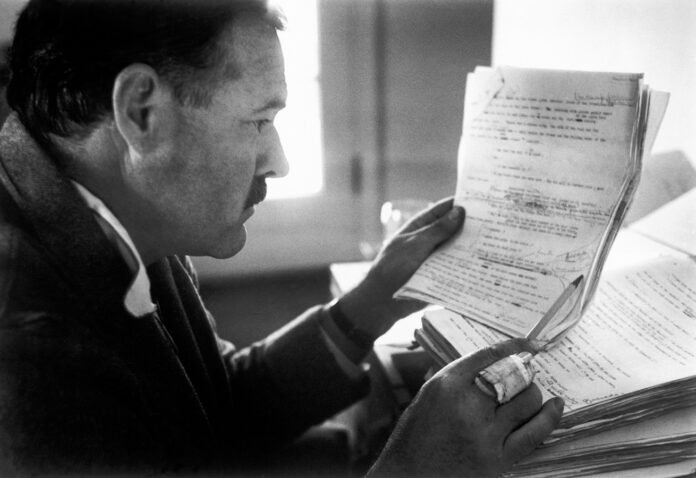

History is often introduced through major events, famous leaders, wars, discoveries, and political changes. These subjects are important, but they represent only part of the historical record. Everyday life was filled with smaller details that rarely receive the same attention. People developed unusual solutions to ordinary problems, used objects in unexpected ways, followed customs that may seem strange today, and created systems that reveal how differently earlier societies understood their world.
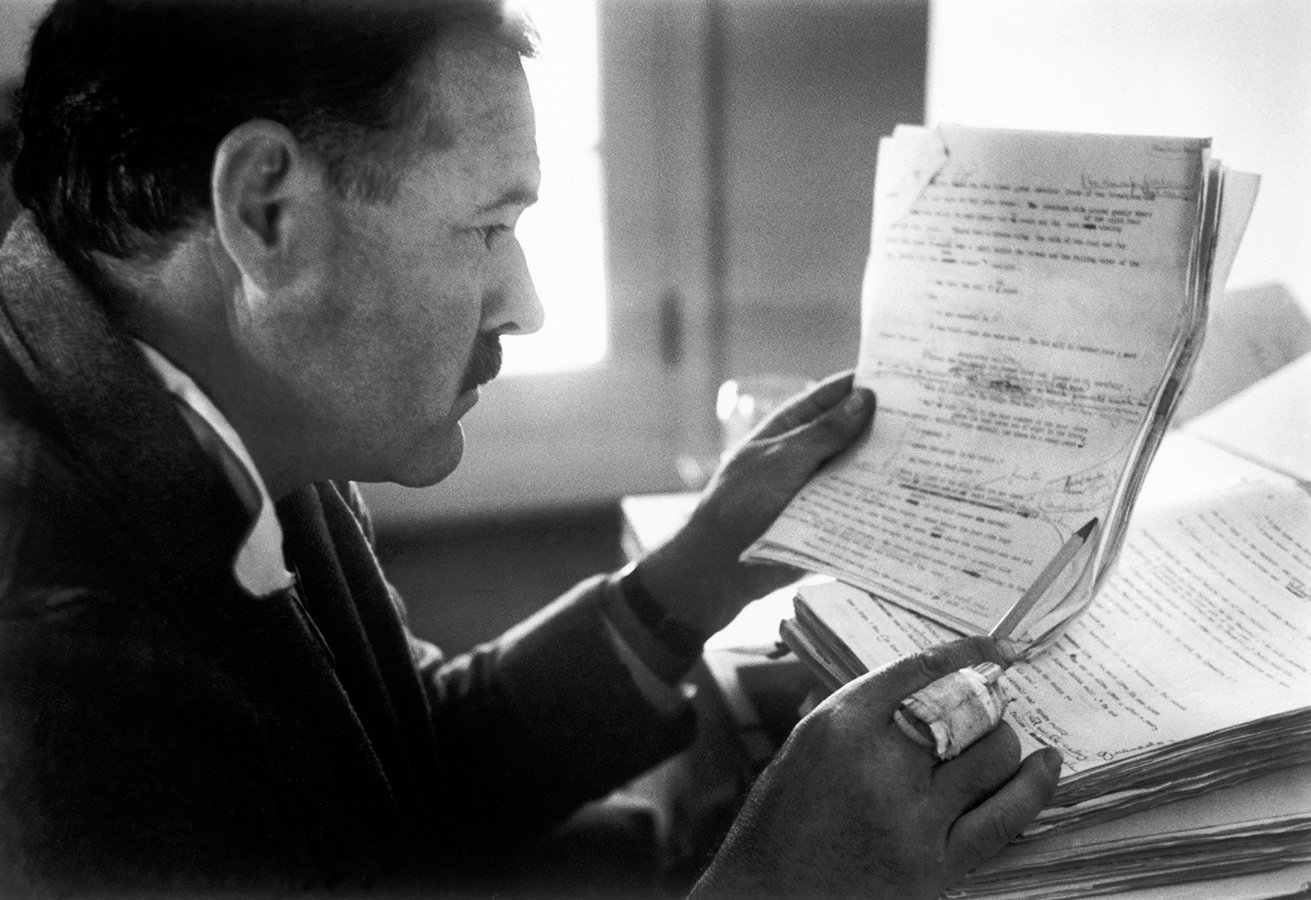
These overlooked details can make history feel more relatable. They show that people in the past were not simply characters moving from one major event to another. They worried about food, transportation, cleanliness, communication, entertainment, clothing, household tasks, and countless other practical concerns.
Historical records also have limitations. What survives is often influenced by what governments, wealthy families, religious institutions, merchants, or professional writers considered worth recording. Ordinary experiences may appear only briefly in diaries, household records, archaeological remains, letters, paintings, tools, or legal documents.
Exploring these smaller details can therefore provide a broader understanding of the past. They do not replace major historical events. Instead, they help explain what daily life looked like around them.
Ancient People Used Sophisticated Food Preservation Methods
Before modern refrigeration, communities had to find practical ways to protect food from spoilage. Different societies developed preservation methods suited to their local environments and available resources.
Drying was one of the simplest approaches. Removing moisture could extend the usable life of certain foods. Salting, smoking, fermenting, and storing food in particular containers or environments provided additional methods.
These techniques were not merely emergency solutions. Food preservation was closely connected with seasonal planning, trade, travel, and survival. A community needed ways to store food when fresh supplies were unavailable.
Archaeological evidence from different regions shows that food processing and storage were important parts of organized societies. The details varied considerably, but the underlying problem was universal. People needed to make available resources last longer.
Ancient Roads Were Designed for More Than Travel
Roads are often discussed in connection with armies, trade, and political expansion. Yet well-designed roads also supported ordinary activities such as transporting food, moving building materials, communicating messages, and connecting communities.
Some ancient road systems included drainage features and carefully prepared surfaces. Their construction required considerable planning and labor.
Roads could also influence the growth of settlements. Places located along important routes often became centers for trade and communication.
The existence of a road therefore tells historians more than simply how people traveled. It can provide clues about economic priorities, political organization, engineering knowledge, and relationships between different communities.
Roman Concrete Had Remarkable Durability
Roman construction is famous for surviving long after many later structures disappeared. One reason is the development of concrete mixtures and construction techniques that differed from modern methods.
Roman builders used volcanic materials and other ingredients in certain concrete applications. Researchers have studied ancient structures to understand why some forms of Roman concrete remained durable for centuries.
The exact performance varied according to the materials, location, construction method, and environmental conditions. It would therefore be inaccurate to assume that every Roman structure used one identical formula.
Nevertheless, ancient concrete demonstrates how practical experimentation can produce durable technologies. Builders were solving specific problems with the resources available to them.
Ancient Homes Could Be Surprisingly Colorful
Modern images of ancient ruins often show pale stone surfaces, which can create the impression that ancient architecture was mostly plain. Archaeological evidence and surviving traces of pigments show that many ancient buildings and sculptures were originally decorated with colors.
Paint could be applied to architectural details, statues, walls, and decorative objects. Over centuries, weathering, burial, cleaning, and exposure caused much of the original color to disappear.
This means that some famous ancient environments would have looked very different when they were new.
The discovery of pigments and microscopic traces helps researchers reconstruct aspects of ancient visual culture. Color was not simply decorative. It could communicate status, identity, symbolism, or artistic preference.
People Have Always Found Ways to Record Everyday Life
Historical records are not limited to official documents. People in different periods recorded ordinary experiences through letters, diaries, household accounts, recipes, shopping records, personal notes, and inscriptions.
Some of these sources provide details that formal histories might overlook. A household account could reveal food prices. A letter might describe travel conditions. A personal diary could mention weather, illness, family events, or local disturbances.
Such records help historians understand how major developments affected ordinary people.
The challenge is that these sources survive unevenly. Some communities produced more written material than others, while many people left no written record at all.
Ancient Children Played With Toys
The past was not entirely serious and practical. Archaeological discoveries have revealed objects interpreted as toys and games from many historical periods.
Examples include miniature figures, balls, dolls, spinning objects, game pieces, and small replicas of everyday items. The exact meaning of individual objects can sometimes be uncertain, but the evidence demonstrates that play has a long history.
Games could also serve social purposes. They provided entertainment, taught skills, encouraged competition, and created opportunities for interaction.
Studying children’s objects can therefore reveal aspects of family life that formal political records rarely discuss.
Ancient Board Games Were Social Activities
Board games have existed for thousands of years. Archaeological sites have produced game boards, pieces, dice, and related objects associated with different societies.
These games varied widely in design and rules. Some may have involved strategy, chance, or a combination of both.
Games are interesting historical evidence because they reveal how people spent leisure time. They can also provide clues about trade and cultural exchange when similar gaming objects appear in distant regions.
A game board found in an archaeological site may look simple, but it can represent hours of social interaction among people who lived centuries or millennia ago.
People Had Complex Systems for Measuring Time
Modern people often take precise clocks and standardized calendars for granted. Earlier societies used different methods to understand and measure time.
Sundials, water clocks, astronomical observations, calendars, and other systems helped people organize agricultural activities, religious ceremonies, administration, trade, and daily schedules.
Different cultures developed different ways of dividing time. Some systems were based heavily on observations of the sun, moon, and stars.
These methods demonstrate that timekeeping was not merely a scientific exercise. It was connected to the practical organization of society.
Ancient Cities Needed Waste Management
Large settlements have always faced the challenge of managing waste. Archaeological evidence shows that ancient communities developed various systems for drainage, sanitation, waste disposal, and water management.
Some cities constructed drains and channels to move wastewater away from populated areas. Others relied on pits, designated disposal areas, or household-level systems.
These arrangements varied significantly between societies and periods. Ancient sanitation should not be imagined as identical to modern public health infrastructure.
Nevertheless, the evidence shows that urban communities recognized the need to manage waste and water. As populations increased, such systems became increasingly important for maintaining functioning settlements.
Letters Could Travel Slowly
Communication before modern technology depended heavily on physical transportation. A message could take days, weeks, or even longer to reach its destination depending on distance, weather, transportation systems, and political conditions.
This affected how people made decisions. Governments, merchants, military commanders, and families often had to act without immediate information.
The delay also shaped expectations. A person sending a letter could not assume that the recipient would respond quickly.
Understanding communication speed helps explain why historical decisions sometimes appear slow by modern standards. Information simply moved at a very different pace.
Historical Clothing Was Often More Practical Than It Looks
Clothing in the past served many functions beyond appearance. Materials, layers, fastenings, footwear, and head coverings could be influenced by climate, occupation, social status, available resources, and local customs.
Some garments were designed for movement and physical work. Others indicated social position or were reserved for particular occasions.
Textiles can also reveal trade networks. Certain fibers, dyes, and decorative materials traveled considerable distances before reaching consumers.
Studying clothing therefore provides information about economics, technology, environment, and social structure as well as fashion.
Ancient People Repaired Objects Instead of Replacing Them
Modern consumers often have access to inexpensive manufactured replacements. Earlier societies frequently had different economic realities.
Broken tools, containers, clothing, furniture, and household objects could be repaired, modified, or reused. Archaeologists sometimes identify evidence of repairs that show how people extended the useful life of possessions.
This does not mean ancient societies always practiced environmental conservation in the modern sense. Repair was often driven by practicality, cost, scarcity, craftsmanship, or necessity.
Nevertheless, repaired objects provide an intimate glimpse into how people valued and used everyday possessions.
Written Records Could Contain Small Personal Details
Official inscriptions often celebrate rulers, victories, religious achievements, or public projects. Less formal records can reveal a different side of historical life.
Personal notes may mention debts, deliveries, household concerns, appointments, disagreements, purchases, or simple greetings.
These seemingly ordinary details can become valuable evidence because they show what people considered important enough to record.
Historians often combine such fragments with archaeological evidence and other sources to reconstruct broader patterns of life.
Markets Were Important Information Centers
Markets were not only places to buy and sell goods. They were also spaces where people encountered news, travelers, rumors, new products, and information from other communities.
Merchants traveled between settlements and carried knowledge along with their goods. Customers could learn about prices, distant events, political changes, and unfamiliar customs through conversations.
Information exchange was particularly important before rapid communication technologies existed.
A busy marketplace could therefore function as an informal communication network as well as an economic center.
Ancient People Also Experienced Fashion Trends
Fashion is sometimes treated as a modern phenomenon, but people in earlier societies also changed styles.
Clothing shapes, hairstyles, jewelry, colors, fabrics, and accessories could become fashionable and later decline in popularity. Certain styles could spread through trade, political influence, migration, or imitation.
Art and archaeological discoveries provide evidence of these changes.
Fashion trends can reveal social aspirations and cultural connections. They also demonstrate that people in the past cared about appearance, identity, and social presentation.
Travel Could Be an Adventure of Its Own
Historical travel was often slower and more physically demanding than modern transportation. Travelers had to consider road conditions, weather, available food, lodging, security, transportation animals, and local geography.
Journeys could involve multiple forms of transportation and long periods of waiting.
Travel records sometimes describe surprising difficulties, unfamiliar customs, and encounters with people from different communities.
These accounts help modern readers understand how distance influenced historical relationships. Places that seem geographically close on a modern map could have been difficult to reach in practice.
Historical Homes Were Designed Around Local Conditions
Homes reflected their environments. Building materials, room layouts, windows, courtyards, roofs, ventilation systems, and heating arrangements often responded to local climate and available resources.
In hot environments, architectural features could help create shade and airflow. In colder regions, buildings could emphasize insulation and protection from weather.
This practical relationship between architecture and environment is an important part of historical development.
A house was not simply a structure for shelter. It was a response to climate, social organization, economic resources, and local building traditions.
Archaeology Can Change Earlier Assumptions
Historical understanding is not fixed forever. New discoveries can provide evidence that changes how researchers interpret the past.
A newly discovered settlement, inscription, tool, burial site, shipwreck, or household object can add information that was previously unavailable.
Scientific techniques can also provide new insights from objects that have been studied for decades. Analysis of materials, residues, pigments, plant remains, animal bones, and other evidence can reveal details that were not obvious when the objects were first discovered.
This is one reason historical knowledge continues to develop. Researchers do not simply repeat old stories. They compare evidence, reconsider interpretations, and refine explanations.
Why These Overlooked Details Matter
Small historical details can sometimes tell us as much about human life as major political events. A repaired cooking vessel, a child’s toy, an old road, a food storage facility, or a personal letter may reveal how people solved everyday problems.
These details also make it easier to understand the connection between ordinary life and major historical developments. Economic changes affected prices and household decisions. Political stability influenced travel. Technological developments changed work. Climate affected architecture and food production.
History becomes richer when these connections are considered together.
Looking Beyond the Familiar Historical Story
Textbooks must organize enormous amounts of information into manageable narratives. As a result, many fascinating details receive little attention. Exploring overlooked evidence can provide a more complete picture of the past without diminishing the importance of major historical events.
Everyday objects, household records, architecture, clothing, food, transportation, games, communication methods, and repair practices all contain clues about how earlier societies functioned.
The most interesting historical discoveries are not always grand monuments or famous battles. Sometimes they are small pieces of evidence that reveal how ordinary people worked, traveled, communicated, entertained themselves, solved problems, and adapted to their surroundings.
By looking closely at these details, history becomes more than a collection of dates and famous names. It becomes a record of human choices and experiences, preserved through countless fragments that continue to help us understand the world that came before our own.