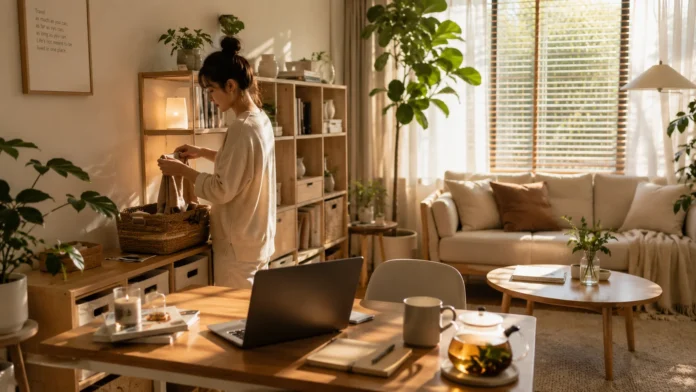

A home is more than a place where people sleep, eat, and store their belongings. It is the environment where daily routines take shape, relationships develop, and people recover from the demands of work and modern life. When a home feels disorganized, even simple activities can become stressful. On the other hand, a thoughtfully arranged home can make everyday routines easier, create a calmer atmosphere, and help people use their time more effectively.
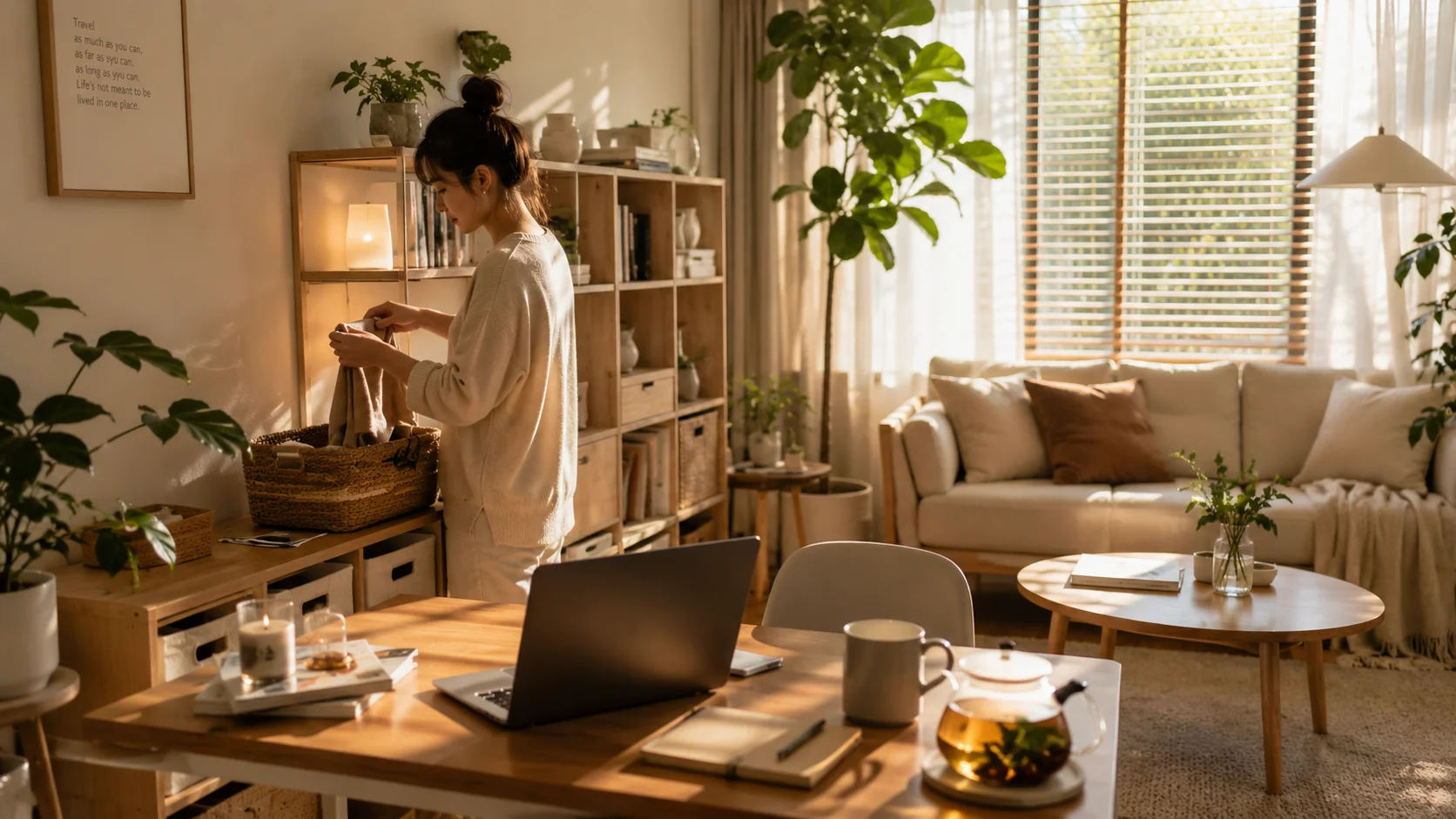
Modern living does not require a perfect house or expensive furniture. A happier and more organized home often comes from small practical improvements that fit naturally into everyday life. The way belongings are stored, how rooms are arranged, how technology is used, and how daily responsibilities are managed can all influence the overall feeling of a household.
The most useful lifestyle ideas are usually those that are realistic enough to maintain. Instead of trying to completely transform a home in one weekend, homeowners can introduce simple habits and gradually improve different areas. This approach can make organization feel less overwhelming while creating lasting results.
Create a Home That Supports Your Daily Routine
One of the simplest ways to improve a home is to arrange it around the way people actually live. Every household has different routines, so there is no single organization system that works for everyone. A family that spends most of its time in the kitchen may benefit from keeping frequently used items within easy reach, while someone who works from home may need a carefully organized workspace.
Look at the activities that happen most often in each room and consider whether the current arrangement makes those activities easier or harder. Frequently used items should generally be stored where they can be accessed without unnecessary effort. Less frequently used belongings can be placed in higher cabinets, storage boxes, or other less accessible areas.
This simple principle can reduce daily frustration. When a home supports existing routines instead of working against them, ordinary tasks become more efficient. Organization then becomes part of normal life rather than another responsibility that requires constant attention.
Reduce Clutter Without Trying to Remove Everything
Decluttering is often presented as a dramatic process where people throw away large amounts of possessions. In reality, effective decluttering can be much more thoughtful. The goal is not to own as little as possible. The goal is to make sure the things kept in the home have a useful purpose or genuine personal value.
Start with areas that become messy quickly, such as kitchen counters, entryways, bathroom shelves, desks, and bedside tables. Remove items that clearly belong somewhere else and identify belongings that are rarely used. When several similar items exist, consider whether all of them are necessary.
Decluttering can also be done gradually. Spending fifteen minutes on one small area may be more sustainable than attempting to reorganize an entire house at once. Once unnecessary items are removed, maintaining the space becomes easier because there are fewer possessions competing for limited storage.
Give Every Frequently Used Item a Home
A practical organization system becomes much easier when household members know where things belong. Keys, chargers, documents, cleaning supplies, shoes, kitchen equipment, and other everyday objects can quickly create disorder when they do not have a designated location.
Choose convenient storage places for frequently used items. A small tray near the entrance can hold keys and other essentials. Baskets can collect commonly used accessories. Drawer organizers can separate smaller objects that would otherwise become difficult to find.
The important part is consistency. If an item has a clear home, returning it after use requires very little effort. Over time, this habit can significantly reduce visual clutter and make the home easier to manage.
Make the Entryway More Functional
The entrance of a home often becomes a collection point for shoes, bags, coats, mail, umbrellas, and other items. A disorganized entrance can make the entire home feel untidy because it is usually the first area people see when they arrive.
A functional entryway does not need to be large. A few hooks, a shoe rack, a small storage bench, or a basket can provide useful organization. The aim is to create convenient places for the belongings that regularly enter and leave the house.
A small surface can also be reserved for mail and other items that need attention. Sorting these items regularly prevents paperwork from spreading throughout the home. With a few simple systems, the entryway can become a useful transition space rather than a cluttered storage area.
Keep Kitchen Organization Simple
The kitchen is one of the busiest areas in many homes, which means organization can have a noticeable effect on daily life. Frequently used cooking equipment should be easy to reach, while items used only occasionally can be stored farther away.
Group similar belongings together whenever possible. Cooking utensils can share one area, food storage containers can have their own section, and frequently used ingredients can be placed where they are easy to see. This arrangement can reduce the time spent searching for things during meal preparation.
It is also helpful to avoid overcrowding countertops. Keeping only regularly used appliances and essentials in visible areas can make the kitchen feel more spacious. A clear workspace can also make cooking and cleaning feel less demanding.
Build a Calmer Bedroom Environment
The bedroom should support rest rather than constantly reminding people about unfinished tasks. Excessive clutter, piles of clothing, work materials, and unnecessary objects can make it harder to create a peaceful atmosphere.
Keeping the bedroom relatively simple can help establish a stronger separation between active daytime routines and nighttime relaxation. Clothes can be returned to their proper storage after use, surfaces can remain reasonably clear, and unnecessary electronics can be limited when possible.
Comfort also matters. Appropriate lighting, clean bedding, useful storage, and a comfortable room temperature can contribute to a more pleasant sleeping environment. These improvements do not have to be expensive. Small changes can make a room feel more welcoming and easier to maintain.
Design a More Productive Home Workspace
Working or studying at home becomes easier when the workspace is clearly defined. Even when a separate office is not available, a small dedicated area can provide a useful mental distinction between work and relaxation.
Keep essential supplies close by and remove items that are unrelated to the task. A simple desk organizer can prevent pens, cables, notebooks, and other small objects from spreading across the workspace.
Lighting is another important consideration. A workspace should have enough light for comfortable reading and computer use. Natural light can be useful during the day, while a suitable desk lamp can provide additional illumination when necessary.
At the end of the workday, taking a few minutes to restore the workspace can make the next morning easier. This small routine can also create a clearer boundary between professional responsibilities and personal time.
Use Technology More Intentionally
Modern homes often contain many connected devices, including smartphones, tablets, televisions, computers, smart speakers, and other electronics. Technology can make life more convenient, but excessive use can also contribute to distraction and disorder.
Consider creating simple household rules for technology. Certain rooms or periods of the day can be kept relatively screen-free, especially during meals or before bedtime. Charging stations can keep devices and cables organized rather than allowing them to spread across different rooms.
Digital organization matters too. Cleaning unnecessary files, organizing photographs, deleting unused applications, and managing notifications can make digital life feel less overwhelming. A more organized digital environment can complement a more organized physical home.
Create Small Cleaning Routines
A home does not need to be cleaned from top to bottom every day to remain comfortable. Small routines can prevent mess from becoming overwhelming.
For example, household members can spend a few minutes each evening returning objects to their proper locations, wiping frequently used surfaces, and preparing commonly used areas for the next day. Larger cleaning tasks can then be handled according to a regular schedule.
The advantage of short routines is that they are easier to maintain. Instead of allowing dishes, laundry, paperwork, and clutter to accumulate for long periods, small daily actions keep the workload manageable.
Make Storage Work Vertically
When floor space is limited, walls and vertical areas can provide valuable storage opportunities. Shelves, hooks, wall-mounted organizers, and tall cabinets can increase storage without taking up much additional floor area.
Vertical storage can be particularly useful in kitchens, bathrooms, offices, utility areas, and small bedrooms. However, organization should remain practical. Items used frequently should still be easy to reach, while higher storage can be reserved for belongings that are needed less often.
Using vertical space thoughtfully can make smaller homes feel more open while providing additional places for essential possessions.
Bring Nature Into the Home
Plants and natural elements can add warmth and character to an indoor environment. A few well-positioned plants can make a room feel more inviting without requiring major changes to furniture or decoration.
People who do not have much time for plant care can choose varieties suited to their environment and available light. Even simple natural elements such as wooden textures, natural fabrics, flowers, or views of outdoor greenery can contribute to a more comfortable atmosphere.
The purpose is not to turn a home into an indoor garden. A few carefully chosen natural touches can be enough to create visual variety and a stronger connection with the outdoors.
Create Spaces for Relaxation
A happier home should include areas where people can relax without feeling surrounded by responsibilities. This could be a comfortable chair near a window, a small reading corner, a peaceful balcony, or simply a section of the living room designed for conversation.
The space does not need expensive decorations. Comfortable seating, suitable lighting, a favorite book, or a few personal items may be enough.
Creating a dedicated relaxation area can encourage people to take breaks during busy days. It also reminds household members that a home should support enjoyment and recovery as well as productivity.
Make Organization a Shared Responsibility
In a household with several people, organization works better when everyone participates. One person should not have to constantly restore order created by everyone else.
Simple household expectations can make responsibilities clearer. Children can learn to return toys and school materials to their places. Adults can take responsibility for their personal belongings and shared spaces. Tasks can also be divided according to schedules and abilities.
When organization becomes a shared habit, maintaining the home becomes less demanding. It can also teach useful skills such as responsibility, planning, and respect for shared spaces.
Focus on Comfort Instead of Perfection
Modern home organization can sometimes become associated with perfectly styled rooms that look untouched. Real homes are different. People cook, work, study, relax, entertain guests, and sometimes leave things out.
A comfortable home does not need to look perfect every minute. The goal is to create an environment that functions well and feels pleasant for the people who live there.
Choosing practical furniture, useful storage, comfortable lighting, and manageable routines can be more valuable than following every design trend. A home should reflect the needs and personality of its residents rather than becoming a display that is difficult to maintain.
Develop Habits That Make Life Easier
The most lasting improvements usually come from habits rather than one-time cleaning projects. Returning items after use, reviewing clutter regularly, preparing for the next day, and keeping frequently used spaces organized can gradually transform the way a household operates.
It can help to introduce one habit at a time. Trying to change everything simultaneously may become exhausting, while gradual improvements are easier to maintain.
Over several weeks, small actions can become automatic. Once that happens, organization requires less conscious effort and becomes a natural part of everyday life.
A Home That Supports a Better Everyday Life
Creating a happier and more organized home does not require a complete renovation or a large budget. The most meaningful changes often involve understanding how a household functions and then making small adjustments that support those routines.
Reducing unnecessary clutter, assigning homes to frequently used belongings, improving storage, organizing busy rooms, limiting digital distractions, and creating spaces for rest can all contribute to a more comfortable environment. The key is to choose systems that are realistic for the people who use them.
A well-organized home is not necessarily the one that looks perfect. It is the one that makes everyday activities easier, provides room for relaxation, and helps people feel comfortable in their own surroundings. By introducing practical habits gradually, any household can create a space that feels more peaceful, functional, and enjoyable while still leaving plenty of room for real life.