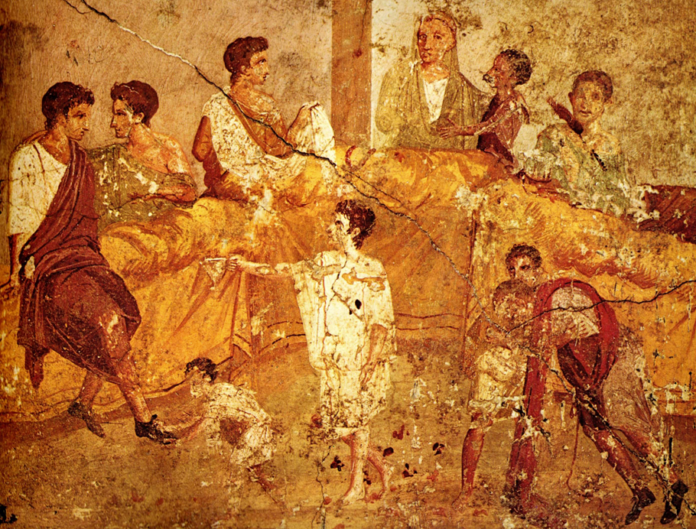

History is often remembered through famous rulers, major battles, political revolutions, scientific discoveries, and dramatic changes in society. These events provide an important framework for understanding the past, but they do not fully explain what life was like for the majority of people. While leaders made decisions and armies moved across borders, ordinary families still had to prepare meals, earn a living, care for children, repair homes, travel, trade goods, and maintain relationships.
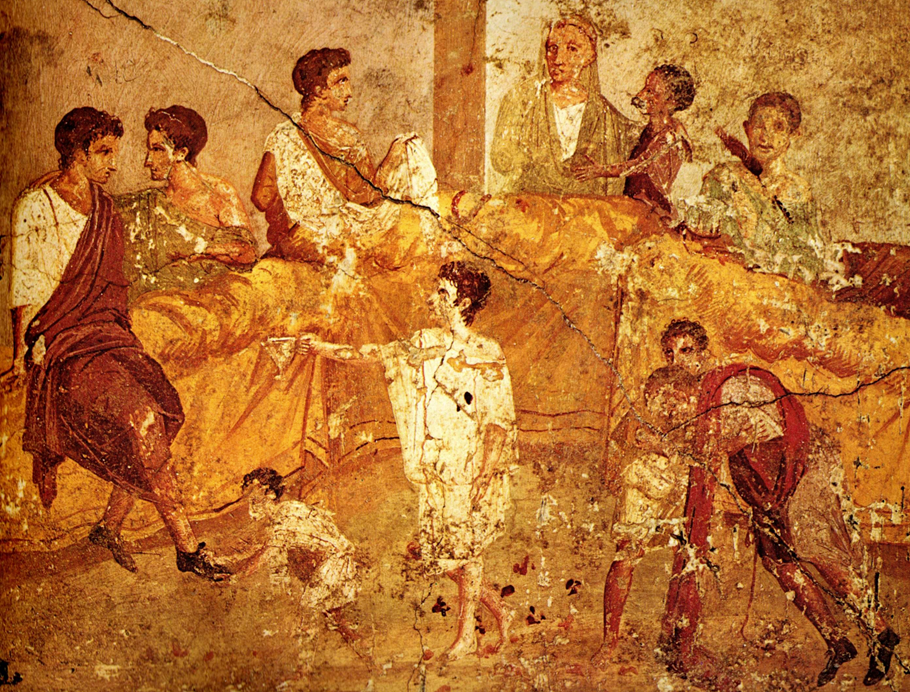
Looking at everyday life offers a different way to understand remarkable periods of history. It reveals how major changes affected people at the household level and shows that daily routines did not always change as quickly as political circumstances. Some people experienced dramatic disruption, while others continued familiar routines despite living through important historical developments.
The experiences of ordinary people also varied enormously according to location, wealth, occupation, gender, age, and social position. There was never one universal experience of a historical period. A wealthy merchant, a rural farmer, an artisan, a servant, and a city laborer could live in very different circumstances at the same time.
Daily Life in Ancient Egypt
Ancient Egypt is often associated with pyramids, pharaohs, temples, and monumental art. Yet most Egyptians lived ordinary lives centered around agriculture, family, crafts, trade, and local communities.
The Nile played an important role in everyday life. Seasonal flooding helped provide fertile land for agriculture, allowing communities to grow crops that supported households and larger institutions. Farming required knowledge of seasons, irrigation, planting, harvesting, and storage.
Homes varied according to wealth and location. Ordinary houses were generally much simpler than royal or monumental structures. Families used everyday objects for cooking, storage, weaving, and other household activities.
Craft workers produced pottery, textiles, tools, jewelry, and other goods. Some specialized occupations were closely connected with temples, royal projects, or administrative institutions.
Children grew up learning practical skills from their families and communities. Education was not equally available to everyone, and literacy was particularly important for administrative and professional roles.
Behind the monumental remains of ancient Egypt was a society of people performing thousands of ordinary tasks that allowed cities, villages, farms, workshops, and institutions to function.
Life in Classical Greece
Classical Greece is remembered for philosophy, political developments, architecture, literature, and warfare. However, everyday life was primarily concerned with work, family, food, housing, and local community activities.
Many people worked in agriculture, producing crops and raising animals. Others were craftsmen, traders, sailors, laborers, or involved in household production.
In cities such as Athens, public spaces played an important role. Markets provided opportunities to buy goods and interact with others. Workshops produced pottery, metal objects, textiles, and other products.
Meals were generally based on locally available foods. Bread, grains, olives, vegetables, fruits, fish, and other foods could form part of the diet depending on location and economic circumstances.
Social status strongly influenced daily experiences. Ancient Greek society included significant differences between citizens, women, foreigners, enslaved people, and other groups. Therefore, descriptions of Greek life must recognize that the same city could contain people living under very different conditions.
Ordinary Life in the Roman World
The Roman Empire covered an enormous area and included many different cultures and communities. Life in a Roman city could be very different from life on a rural estate or in a distant province.
Urban residents encountered markets, workshops, public buildings, roads, baths, fountains, and entertainment venues. Some people lived in apartment-style buildings, while wealthier families could occupy larger private homes.
Work varied widely. Bakers, metalworkers, builders, merchants, farmers, transport workers, teachers, administrators, and countless other occupations supported Roman society.
Food also depended on geography and economic circumstances. Grain was a major staple, while vegetables, fruits, olives, fish, meat, and other foods were consumed in different quantities by different households.
Roman roads and shipping networks helped move goods across long distances. A product available in one region could sometimes originate hundreds or even thousands of miles away.
Despite the empire’s impressive infrastructure, life was not equally comfortable for everyone. Wealth and legal status strongly influenced housing, diet, employment, and personal freedom.
Life Along Medieval Trade Routes
The medieval period included many different societies across Europe, Asia, Africa, and the Middle East. Trade routes connected communities and allowed goods, technologies, ideas, and cultural practices to move between distant regions.
For ordinary people living along these routes, commerce could influence everyday life. Markets might contain spices, textiles, ceramics, metals, foods, and other products from distant locations.
Merchants depended on networks of roads, ships, animals, inns, markets, and intermediaries. Travelers faced practical challenges involving weather, geography, food, lodging, and transportation.
Craft workers in towns produced goods for local customers and visiting traders. Farmers supplied food and raw materials that supported urban populations.
Medieval life was therefore not isolated or completely disconnected. Although communication was much slower than today, people participated in networks that could extend across considerable distances.
Life During the Renaissance
The Renaissance is often presented through famous artists, scholars, architects, and wealthy patrons. Yet the period also included millions of people whose lives revolved around ordinary work.
In growing European cities, artisans and merchants contributed to expanding commercial economies. Workshops produced clothing, furniture, tools, books, decorative objects, and other goods.
The development and spread of printing changed how written information could be produced and distributed. However, literacy levels varied significantly, and access to books remained influenced by wealth, education, and location.
Families continued to organize their lives around work, household responsibilities, religious practices, and local communities.
For an ordinary person, the Renaissance may not have felt like a sudden cultural transformation. Many changes developed gradually and were experienced differently depending on occupation and social position.
Ordinary People During the Age of Exploration
The voyages associated with the European Age of Exploration changed connections between continents. Explorers and rulers often receive the greatest attention, but ordinary sailors, workers, farmers, merchants, and Indigenous communities experienced the consequences directly.
Sailors faced difficult conditions aboard ships. Voyages could involve long periods at sea, limited living space, changing weather, and uncertainty about reaching destinations.
Merchants became involved in expanding trade networks. New plants, foods, materials, and products began moving between regions that had previously been separated.
Indigenous societies experienced these encounters in enormously varied ways, including trade, conflict, disease, political change, displacement, and cultural exchange.
The period therefore cannot be understood simply as a story of exploration. It was also a period of profound changes in the lives of ordinary communities across multiple continents.
Life During the Industrial Revolution
The Industrial Revolution transformed work and urban life in parts of Europe and later other regions. Factories, mechanized production, railways, and expanding cities changed how many people earned their livelihoods.
People moved from rural areas toward growing industrial centers in search of employment. Cities expanded rapidly, creating new opportunities but also significant challenges.
Factory work could involve long hours and physically demanding conditions. Families often depended on multiple members contributing to household income.
Housing conditions varied considerably. Rapid population growth sometimes resulted in overcrowded neighborhoods where sanitation and infrastructure struggled to keep pace.
At the same time, industrialization eventually contributed to major developments in transportation, manufacturing, communication, and consumer goods.
For ordinary people, the transformation was not simply technological. It changed the rhythm of work, family life, travel, and urban society.
Everyday Life During the Victorian Era
The Victorian period is frequently associated with elaborate clothing, expanding cities, technological innovation, and famous literature. Behind these images was a society containing enormous differences in wealth and occupation.
A wealthy household could employ domestic servants and have access to goods and services that were unavailable to poorer families. Working-class households often faced much tighter financial constraints.
Urban workers might spend long hours in factories, workshops, construction, transportation, domestic service, or other occupations.
New technologies gradually changed communication and transportation. Railways made long-distance travel faster, while telegraph systems allowed information to move across great distances much more quickly than before.
For many families, however, daily life remained focused on practical matters such as earning money, preparing food, maintaining clothing, caring for children, and managing household expenses.
Families During Times of War
Wars are usually described through battles and military strategies, but civilians often experienced war through everyday disruptions.
Food shortages, price increases, shortages of materials, displacement, damaged infrastructure, and separation from family members could affect ordinary households.
People adapted in different ways. Communities organized support systems, reused materials, adjusted diets, maintained local production, and found ways to continue essential activities.
Children could experience major changes in education and family life when adults were away or communities were disrupted.
Civilian experiences varied depending on geography and the nature of the conflict. People living far from battlefields could experience war differently from those in directly affected areas.
Understanding these everyday effects helps explain the broader social impact of historical conflicts.
Life During the 1920s
The 1920s are often remembered for cultural change, new entertainment, automobiles, radio, and changing social styles. Yet these developments did not reach everyone equally.
Urban residents in some regions experienced expanding consumer culture and new forms of entertainment. Radios became an increasingly important source of news and music, while cinemas offered popular entertainment.
Automobiles gradually became more common, changing transportation and encouraging changes in roads and urban planning.
At the same time, many rural communities continued to rely heavily on agriculture and older transportation methods.
Economic conditions also differed substantially between regions and social groups. The decade’s image of widespread prosperity does not describe everyone’s experience.
Ordinary Life During the Great Depression
The Great Depression created severe economic difficulties in many parts of the world. Unemployment, reduced wages, business failures, and financial insecurity affected households deeply.
Families often had to make difficult decisions about food, clothing, housing, and other necessities. People repaired belongings instead of replacing them and found ways to reduce expenses.
Communities sometimes relied on family networks, charitable organizations, local assistance, and informal support.
Children could experience changes in education, household responsibilities, and family expectations.
The period demonstrates how economic events reported through statistics eventually become personal experiences involving meals, employment, housing, and family security.
Life During the Space Age
The middle of the twentieth century brought remarkable technological developments, including satellites, television, commercial aviation, and space exploration.
For ordinary households, these changes were often experienced through consumer technology and mass media. Television brought images of major events into living rooms, allowing people to witness developments that would previously have been experienced only through newspapers or radio.
Household appliances also changed domestic routines in many regions. Refrigerators, washing machines, vacuum cleaners, and other technologies could reduce certain types of household labor.
However, access to new technologies depended on income, location, and availability. Technological progress was not experienced equally by every household.
Everyday Life Before the Internet
People who grew up before widespread internet access developed different systems for communication, entertainment, shopping, and information.
Phone calls, letters, printed newspapers, libraries, television, radio, and face-to-face conversations played major roles.
Finding information often required visiting a library, consulting reference books, asking someone knowledgeable, or waiting for a newspaper or magazine.
Shopping also involved more physical travel. Catalogs and mail-order services provided alternatives, but most purchases required visits to stores or markets.
These differences highlight how quickly digital technology changed everyday routines once it became widely accessible.
How Ordinary People Adapted to Change
One of the most consistent patterns across history is human adaptation. When technology changed, people learned new methods. When transportation improved, businesses adjusted. When cities expanded, families changed their routines. When economic conditions became difficult, households searched for ways to manage limited resources.
Adaptation did not happen equally or instantly. Some people welcomed new technologies, while others continued using familiar methods. Financial resources, location, occupation, age, and education all influenced how quickly individuals could adjust.
This pattern is important because historical change is rarely experienced as a single dramatic moment. It usually enters everyday life gradually.
What Everyday Objects Reveal About History
Historical objects can provide valuable information about ordinary life. Cooking vessels, clothing, tools, furniture, toys, writing materials, personal accessories, and household containers can reveal how people lived.
A simple object may show what materials were available, what activities were common, or how people solved practical problems.
Archaeologists and historians can combine these objects with written records, architecture, environmental evidence, and other sources to develop broader interpretations.
Sometimes the most useful evidence comes from things that were never intended to become historical records.
Why Ordinary Lives Belong in History
Major historical events are easier to remember when they are connected to everyday human experiences. A political revolution changed laws and institutions, but it also affected families, workers, merchants, and communities. Industrialization transformed production, but it also changed where people lived and how they worked. New communication technologies changed not only information networks but also ordinary conversations and relationships.
Studying everyday life also prevents history from becoming a simple sequence of famous names and dates.
It reminds us that societies are built through the repeated actions of millions of people whose names may never appear in textbooks.
Seeing Remarkable History Through Everyday Experiences
The past becomes more understandable when major events are viewed from the perspective of ordinary life. People living through remarkable periods still had meals to prepare, work to complete, homes to maintain, children to raise, goods to trade, and relationships to preserve.
Their experiences varied enormously, and no single story can represent everyone. Yet these differences are precisely what make everyday history valuable.
Looking beyond rulers, battles, monuments, and inventions reveals a much broader human story. It shows how large historical forces entered kitchens, workshops, farms, markets, streets, schools, and family homes.
The study of ordinary life therefore adds depth to our understanding of history. It reminds us that remarkable periods were not experienced only through headline events. They were lived day by day by people adapting to circumstances, making practical decisions, preserving traditions, learning new skills, and finding ways to continue their lives as the world around them changed.